
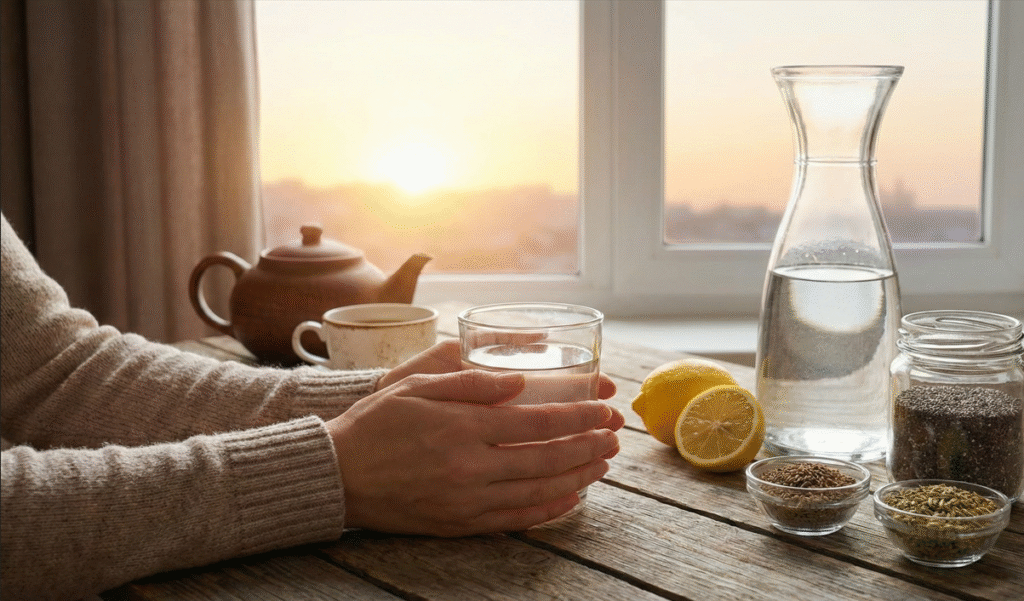
For most of us, a morning without tea feels incomplete. I’ll be the first to admit: I was a total tea addict. My day didn’t truly start until that first warm cup, and I’d easily go through 2 or 3 cups a day. It was my ultimate stress reliever. However, when I started my weight loss journey and took a hard look at my habits, I realized my beloved tea—loaded with sugar and milk—was quietly sabotaging my progress.
I won’t lie to you; breaking the habit was tough. I didn’t erase tea from my life completely. To be honest, I still reach for it during high-stress work hours! But I knew the morning ritual had to change.
By slowly replacing my morning chai with healthier, low-calorie alternatives, I saw a massive difference in my energy and my weight. If you’re struggling to let go of your morning cup, I’ve been there.
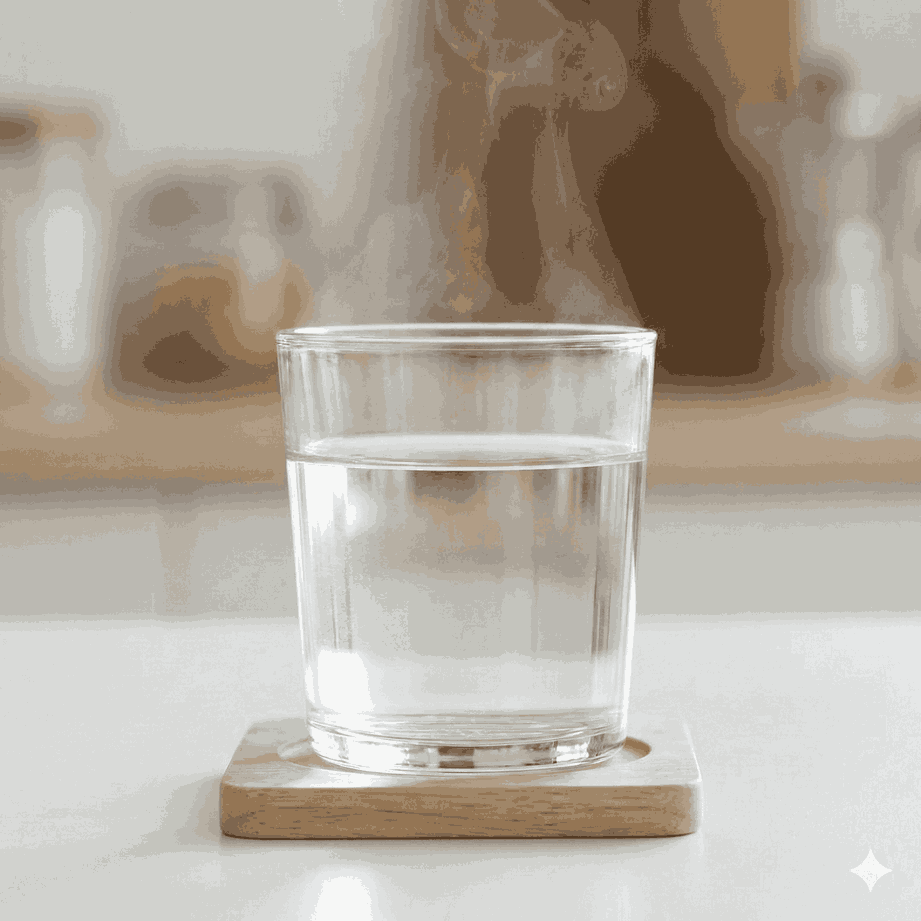
Drink 1: The Simple Starter (Plain Warm Water)
Before I jump into ingredients like Chia or fennel water, I have to talk about the one habit that changed everything for me: Plain Warm Water.
- The “Why”: After 7–8 hours of sleep, your body is dehydrated. Drinking warm water first thing in the morning is like “waking up” your internal organs. It flushes out toxins and gets your metabolism moving without the “shock” of caffeine from tea or coffee.
- When I started my career in an XYZ company, I used to go straight for a hot chai to handle the morning rush. Switching to just one glass of warm water made me feel lighter and actually reduced my caffeine cravings later in the day
- The “How”: It shouldn’t be boiling hot—just comfortably warm. Drink it slowly, sip by sip, before you check your emails or start your day in front of the screen.
Drink 2: Warm Lemon Water
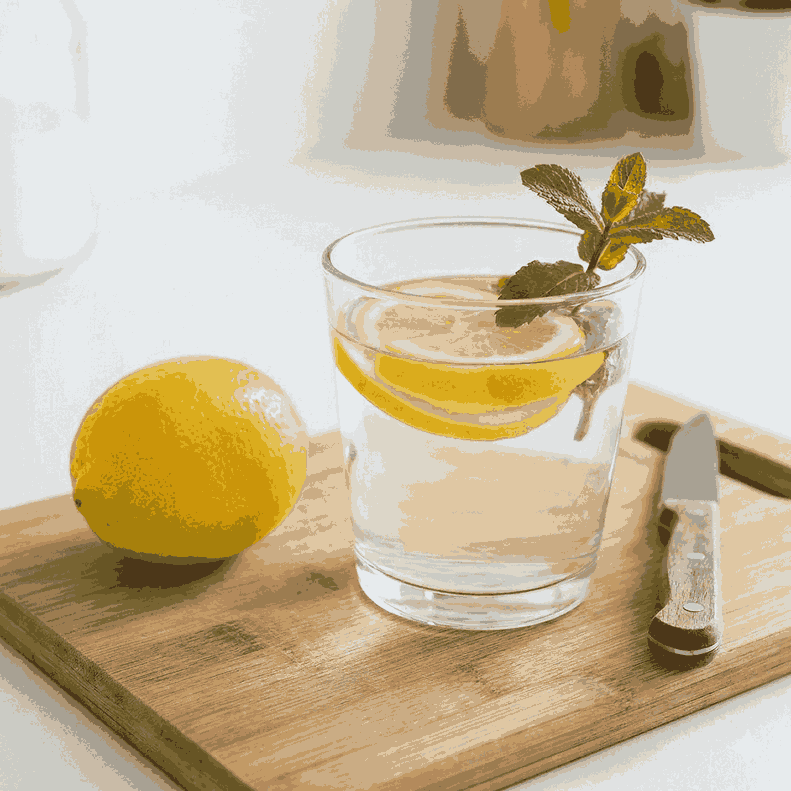
Why it is a great replacement for tea:
- Zero-Calorie Switch: A glass of lemon water has only about 6 calories, whereas a typical milk tea with sugar can have 100–150 calories.
- The “Morning Wake-up”: Many of us drink tea for the caffeine “jolt.” Lemon water provides a natural energy boost. The scent of lemon alone is known to reduce stress and improve mood.
- Digestive Fire: In my experience, warm water (not boiling!) helps “wake up” the digestive system. It’s like a gentle internal bath that helps clear out the system before breakfast.
When to Avoid Lemon Water ?
While it worked wonders for me, it’s not for everyone. Here is a quick checklist of when you might want to skip it:
- Skip it if: You have active heartburn, stomach ulcers, or mouth sores.
- Be careful if: You have sensitive teeth or are on specific blood pressure medications.
- Pro Tip: Always dilute it well—never drink straight lemon juice on an empty stomach!
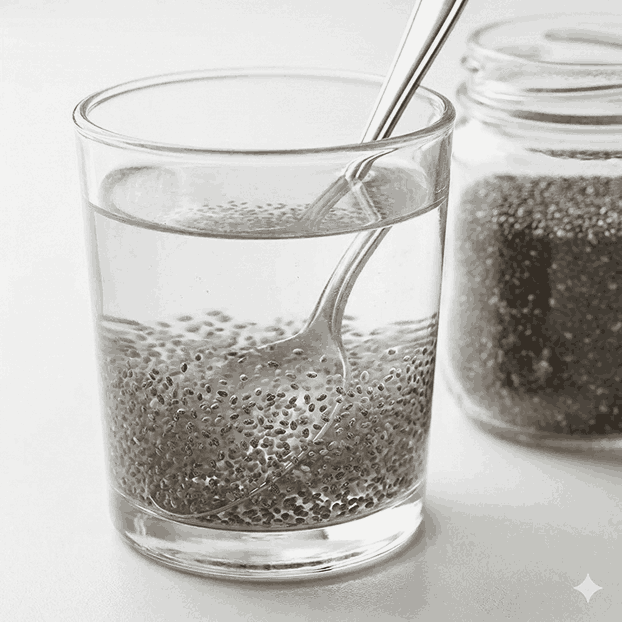
Drink 3: Chia seed water
I used to drink tea because I felt “bored-hungry” while working at my desk. I realized I wasn’t actually hungry; I just needed something to keep my stomach occupied. Chia seeds solved this perfectly.
Why it’s a great morning drink ?
- Keeps You Full for Longer
Chia seeds absorb water and form a gel, which helps you feel full and satisfied, reducing unnecessary snacking—something tea doesn’t do. - Supports Digestion & Gut Health
Rich in fiber, chia seeds help improve bowel movement and support healthy digestion. The gel-like texture soothes the gut and helps cleanse the digestive tract. - Steady Energy (No Caffeine Crash)
Unlike tea or coffee, chia seed water provides slow, sustained energy by stabilizing blood sugar levels.
Who should be careful ?
- Start with 1 teaspoon if you have a sensitive stomach
- Always soak seeds—never drink them dry
- People who struggle with constipation or dehydration
- Those with “Sensitive” Digestion
Drink 4: Jeera/Cumin Water
“If you’ve ever felt that heavy, bloated feeling after a long day of sitting in front of a screen, this is for you.”
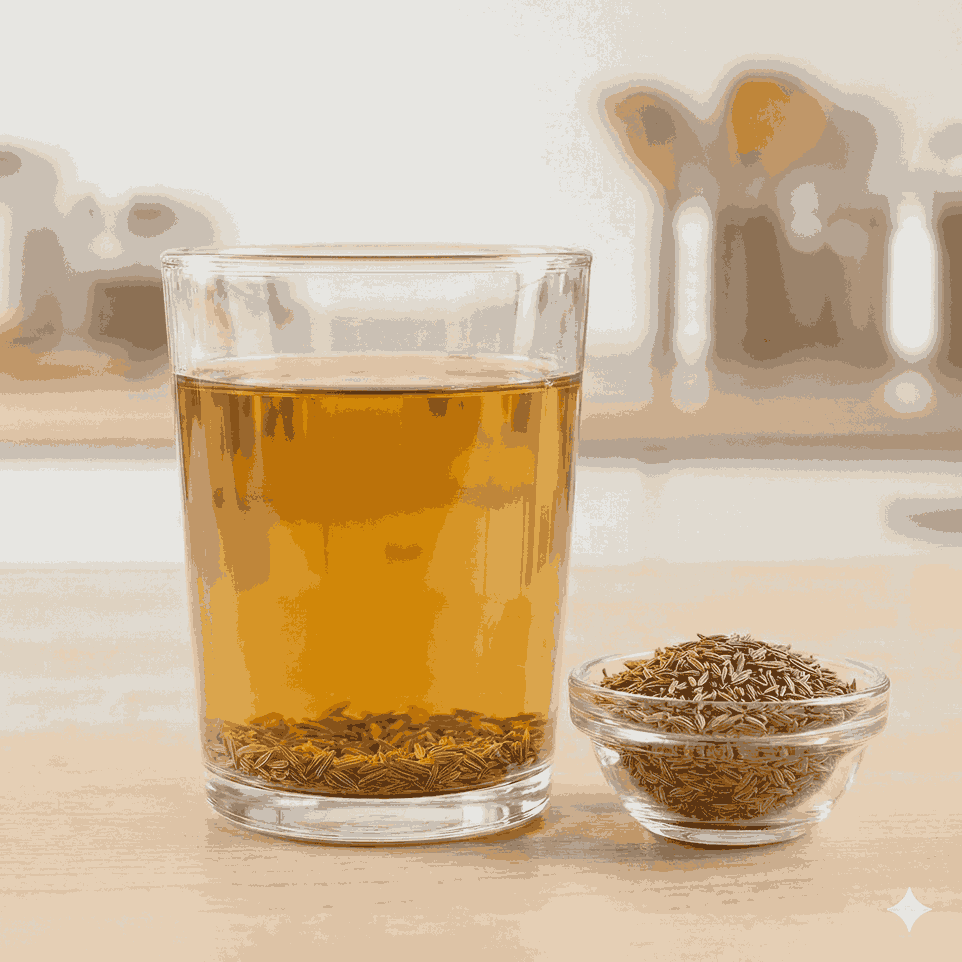
- The “Why”: Jeera (Cumin) is famous for “waking up” your digestive enzymes. It flushes out toxins and is one of the fastest ways to reduce belly bloat.
- The “How”: Soak 1 teaspoon of Cumin seeds in a glass of water overnight. In the morning, boil the water with the seeds, strain it, and drink it warm.
- The Reality Check: It tastes like a savory spice. It’s not sweet like tea, but it feels very “cleansing” for your system.
When to avoid ?
- People with very low blood pressure or heat sensitivity should limit intake.
- Pregnant women (avoid daily or concentrated intake)
- Those who experience acidity or stomach burning after consuming warm spices
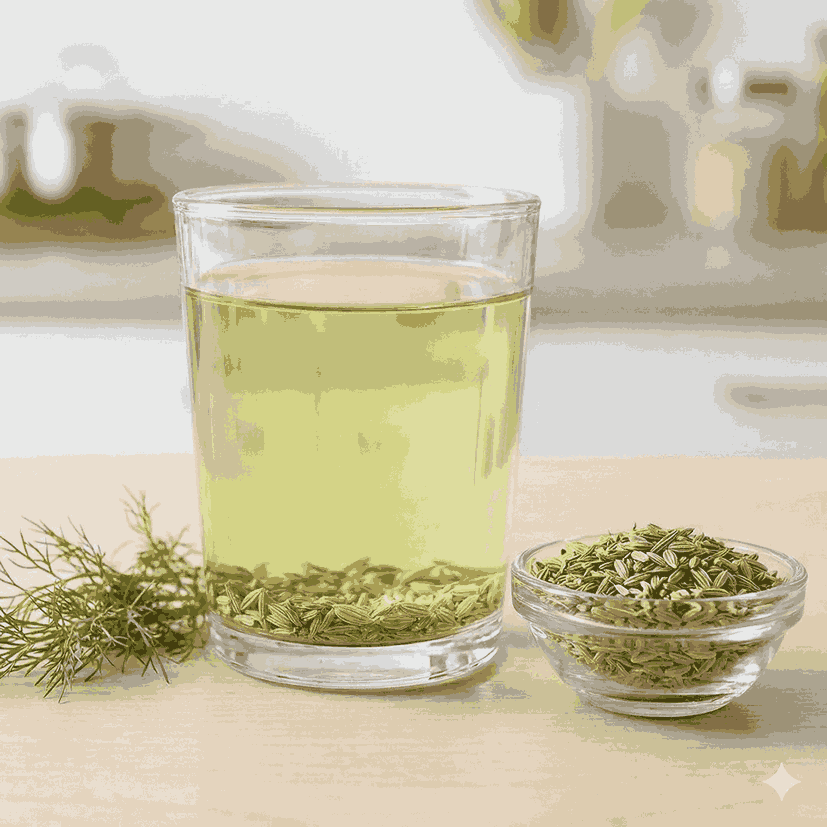
Drink 5: Saunf (Fennel) Water
- Why it’s a gentle choice: Saunf water is cooling and soothing, making it ideal for sensitive stomachs.
- Why I liked it: It’s very cool. If I felt stressed but didn’t want the caffeine from regular tea, this was my go-to “calm down” drink.
- How I made it: Boil a teaspoon of fennel seeds in water for 3–5 minutes and strain.
Who should avoid ?
Those with allergies to fennel or extremely low BP should consume it in moderation
Conclusion: Small Changes, Big Results
Making the shift from a tea-dependent lifestyle to these healthy alternatives wasn’t just about losing weight; it was about regaining my focus. I’ve realized that my brain works better when it’s hydrated rather than just caffeinated.
You don’t have to try all six drinks tomorrow. Pick one that fits your routine—maybe it’s the simple glass of warm water or the gut-cleansing Jeera water—and stick with it for a week.
Disclaimer
The information shared on rakshithablogs.com is based on my personal experience, journey, and research as a health enthusiast. I am not a doctor, nutritionist, or certified medical professional. These drinks have helped me personally, but everyone’s body is different. Please consult with a healthcare professional before making significant changes to your diet, especially if you have underlying health conditions, are pregnant, or are taking medication. Use these tips at your own discretion.